25 Years of Les Voiles de Saint-Tropez
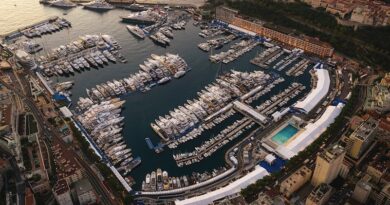
One of the Mediterranean’s most prestigious regattas has celebrated its 25th anniversary with a grand festival and spectacular racing. Les Voiles de Saint-Tropez brought together more than 250 boats, ranging from 8 to 55 meters, and over 3,000 sailors.
The first week of October is always special for Saint-Tropez. Alongside the yachts and crews, thousands of sailing enthusiasts from across Europe flock to this small town. The little fishing village transforms into a vibrant hub of sailing, welcoming hundreds of yachts and thousands of guests along its quays. Les Voiles de Saint-Tropez marks the unofficial end of the Mediterranean sailing season, and for many teams and yacht owners, participation is not only enjoyable but also prestigious.
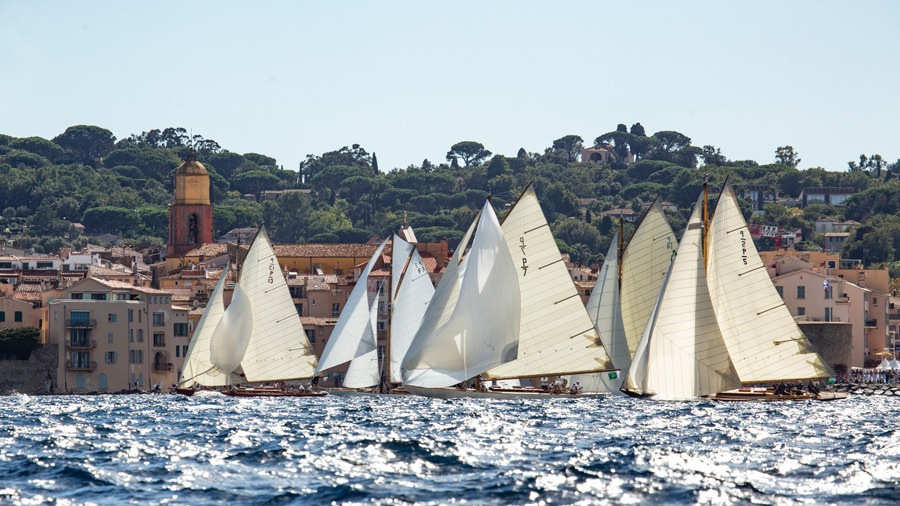
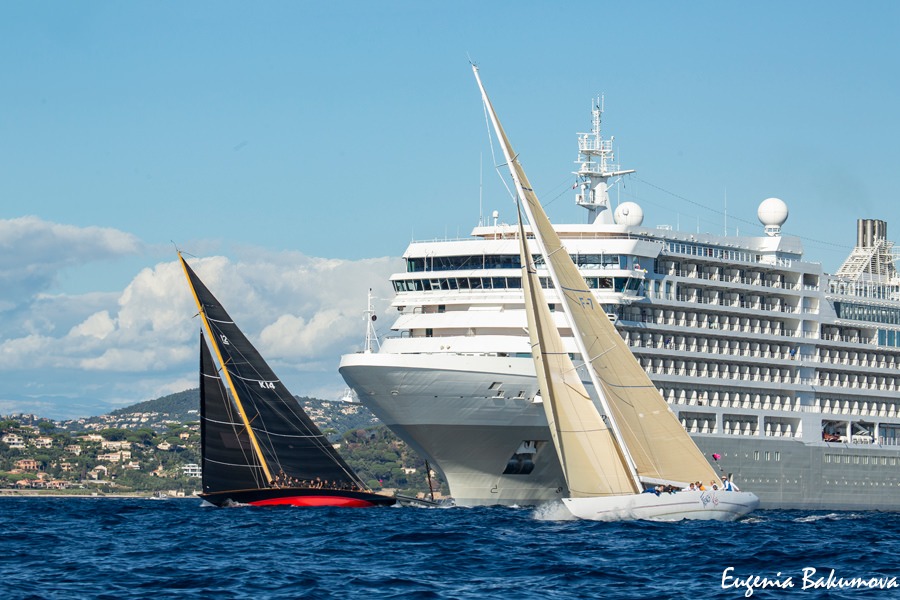
The uniqueness of Les Voiles lies in its striking contrast of eras. On the same waters, elegant vintage yachts compete alongside cutting-edge racing machines, representing the latest achievements of yacht designers and shipyards.
Of course, classics and modern yachts race in different divisions, but courses often overlap, bringing boats from different times and generations together. This creates an unparalleled spectacle found only at Les Voiles.
I first attended the regatta in Saint-Tropez 15 years ago, and since then, I have returned almost every year—to sail, to enjoy the races, and to photograph this magnificent event. The emotions and visual splendor offered by this regatta are truly addictive.
Boats and People
The vintage fleet of the regatta changes year by year. Some boats race here annually, others appear only once in a while. “New” classics also emerge: fortunately, the world still has sailing enthusiasts willing to spend considerable resources on searching for and restoring lost masterpieces. Many classic yachts, freshly brought back to life, head straight to Saint-Tropez for their first racing season. The same applies to modern maxis: over the years, Leopard 3, My Song, Rambler, and many others have raced here. J-Class yachts such as Shamrock V, Velsheda, Lionheart, Topaz, and Rainbow have delighted spectators, as well as the impressive Wally fleet, plus Volvo 70s, Volvo 65s, TP52s, Imocas, and racing yachts from nearly every renowned yard and designer.
Les Voiles attracts famous personalities from around the globe. Among the competitors are royals, entrepreneurs, sailing legends, and stars of show business.
Regular participants include legendary skipper Torben Grael, yacht designer Germán Frers, Luna Rossa team owner Patrizio Bertelli, Louis Vuitton Cup founder Bruno Troublé, America’s Cup helmsman Jimmy Spithill, and many other icons of the sailing world.
This year, French sailing legend and Éric Tabarly’s companion Marc Pajot raced aboard the 12-meter class yacht French Kiss. Vendée Globe skippers Maxime Sorel and Jean-Pierre Dick led the crews of Swell (Nacira 47) and Notre Méditerranée-Ville de Nice (JP 54) respectively. King Frederik X of Denmark raced on the TP52 Nanoq, while British rock stars Pete Townshend and Simon Le Bon joined the crews of classic 1938 sloops.
The regatta often welcomes famous motor and sailing yachts, as well as large cruising ships. Each year, the bay sees the arrival of a gem of vintage motor yachting—the 30-meter Blue Bird. Her owner, Tara Getty, races in Saint-Tropez on his 1937 yawl Skylark.
Nioulargue and Les Voiles de Saint-Tropez
Like many great regattas, Les Voiles de Saint-Tropez began with a friendly race. In 1981, a duel between the Swan 44 Pride and the 12-meter Ikra gave birth to the Nioulargue regatta. In 1999, it officially took on its current name.
Nioulargue is a submerged shoal located about 5.5 miles off Pampelonne Beach. The water depth above it is only 52 meters, while the surrounding depths reach 300–400 meters. The name “Nioulargue” comes from a Provençal word meaning “nest in the deep,” referring to the abundance of fish gathering there to spawn.
Tradition and Avant-Garde
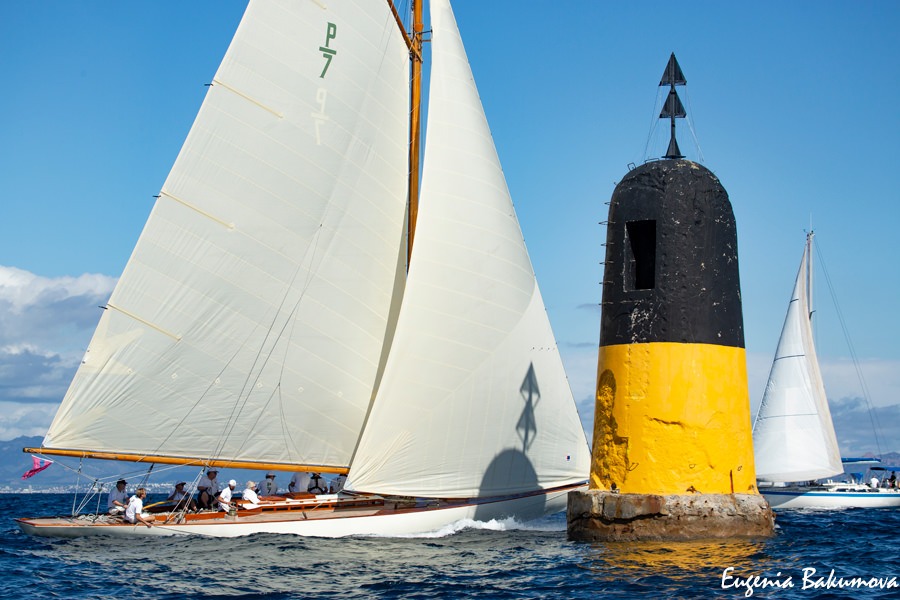
The classics division includes yachts that are well over 100 years old. The oldest participant of the anniversary regatta was the yawl Sky, built in 1890 at the Thetis Ware shipyard in England. She was restored in the early 2000s, featuring a 26-meter hull built on oak frames and planked with mahogany.
In stark contrast, no wood at all was used in the construction of the 82-foot carbon Capricorno, built last year by King Marine to a Judel-Vrolijk design. The same is true for the other maxi yachts, such as Jethou and the Wally 101 Y3K.
Racing and Trophies
As always, it was a magnificent week. The regatta unfolded under shifting weather conditions, offering sailors a variety of winds—from light breezes of 5 knots to strong blows of 25 knots. Sunny days alternated with overcast skies, and sea states ranged from calm to waves of 1.5 meters.
Traditionally, starts for the classics took place in the Bay of Saint-Tropez, while modern and maxi yachts raced on more open waters off Pampelonne Beach.
Rolex Trophy
This year marked the 19th edition of the Rolex Trophy. The watchmaker has been a partner of the regatta since 2006.
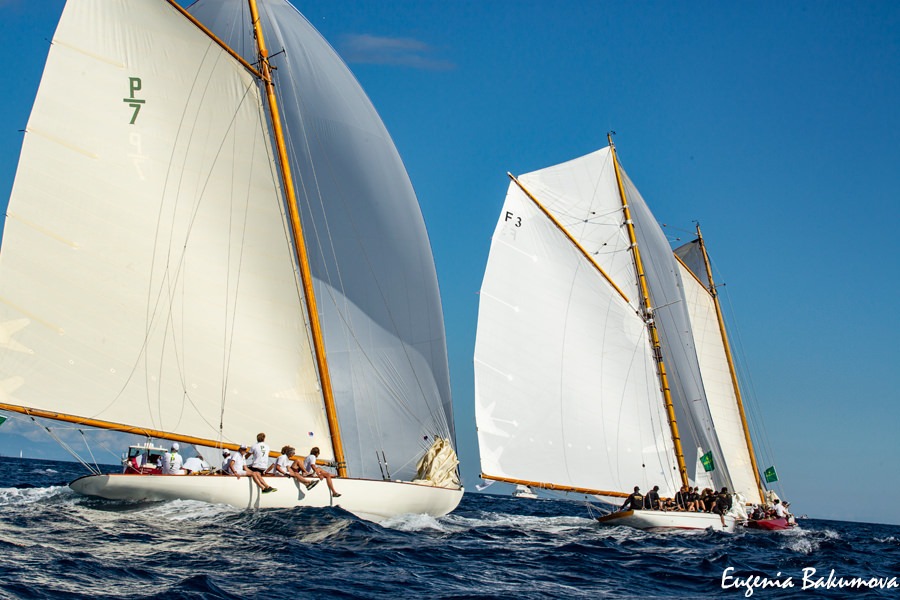
Fourteen classic gaff-rigged yachts (Epoque Aurique class), all over a century old, competed for the prize. P-Class yachts Joyant, Chips, Corinthian, and Olympian performed brilliantly in both light and stronger winds. The fleet also included the beloved Lulu, recognized as a French national treasure; the powerful New York 40 Rowdy; and the Italian 10-meter Marga with her energetic and cheerful crew.
It was Marga, helmed by the legendary Torben Grael, that won the Rolex Trophy in a thrilling finale. Yacht owner Matteo Tacconi admitted that it took him nine years to fully understand his boat.
Club 55 Cup
Traditionally, Thursday at Les Voiles is dedicated to yacht duels. In homage to the regatta’s origins, the boats line up for head-to-head match races.
One of the most exciting contests pitted My Song against Balthasar. My Song, helmed by her owner Pier Luigi Loro Piana, took the win. Although the Cup is usually awarded on elapsed time, in this case the judges decided to honor both yachts, considering their significant rating differences—a decision very much in the spirit of the Nioulargue.
Another thrilling duel featured Il Moro di Venezia (1976) against Belle Aventure (1929). Such generational showdowns embody the special magic of Les Voiles.
In total, 11 duels took place as part of the Club 55 Cup. Some paired yachts from different eras, such as Jean-Pierre Dick’s modern Notre Méditerranée (JP 54) against the 1968 Bermuda ketch Eugenia V. Others recreated historic rivalries, like the meeting of Serenade (1938) and Oiseau de Feu (1937).
News from Barcelona
The fifth day of the regatta saw no racing due to lack of wind. During this pause came great news for British sailors: Team Ineos Britannia won the Louis Vuitton Cup, qualifying the UK as Challenger of Record against Team New Zealand in the America’s Cup Match.
A Festival of Hospitality
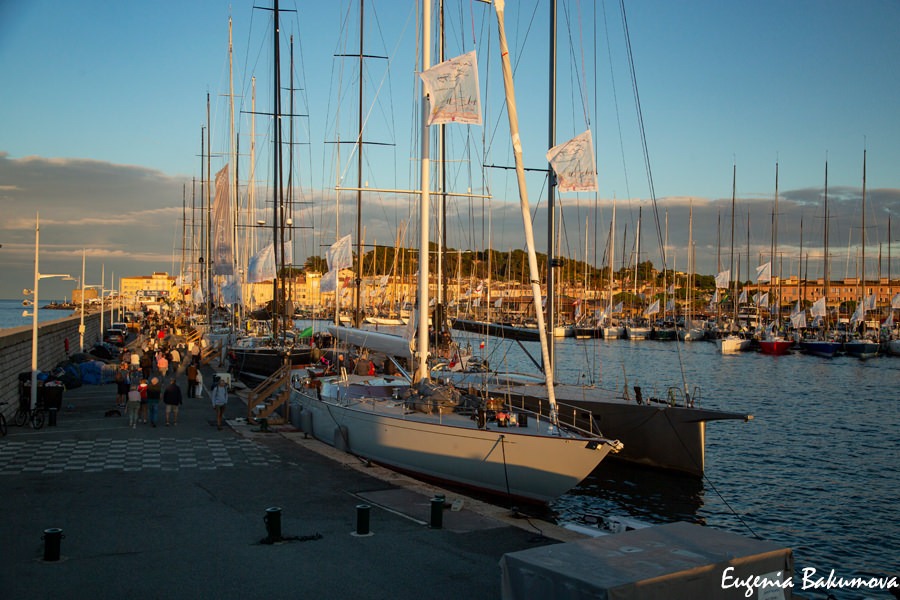
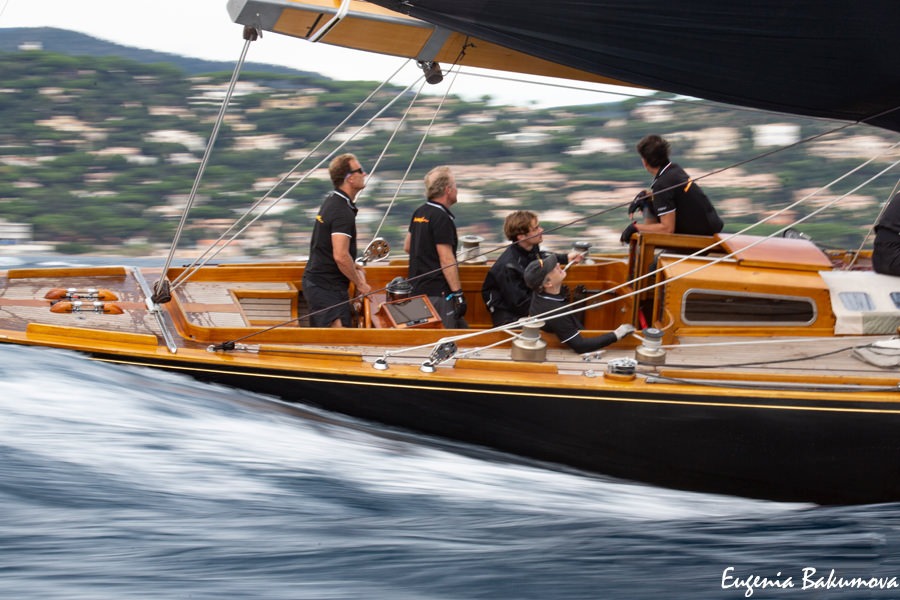
Les Voiles completely transforms Saint-Tropez, bringing with it the romance of a bygone era. The quays fill with classic wooden yachts, and live music on board—bagpipes, trumpets, even violins—sets a festive mood. In the evenings, the town buzzes with energy: lively parties and concerts continue late into the night, many of them open to the public. The highlight is always the traditional crew party, crowned with a spectacular fireworks display over the bay.
Yet, despite all the entertainment, the true heart of the regatta remains the racing and the unique spirit of unity that brings together everyone who loves sailing.